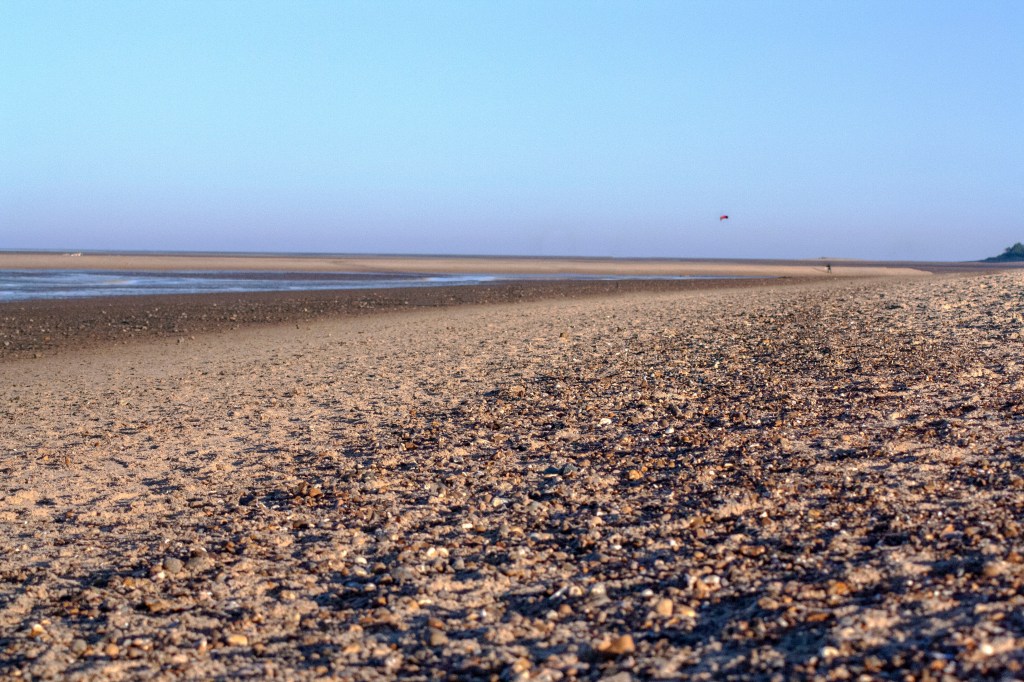
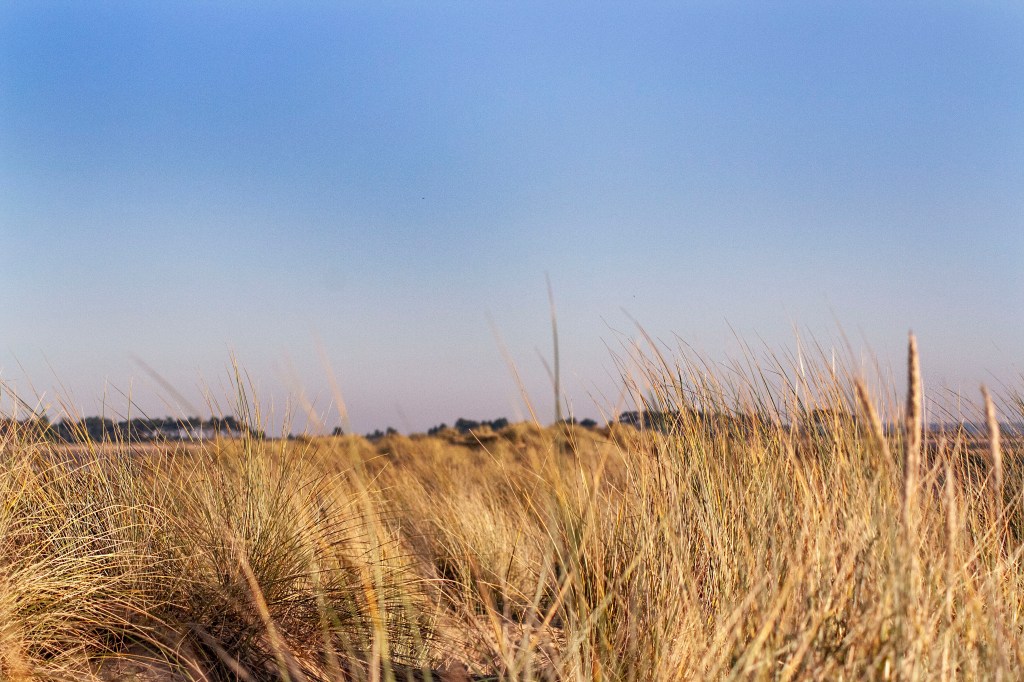
During this work record, I intend on returning to Holkham Beach, Norfolk, to capture more photos but in the winter season. showing the difference between the two seasons and what they bring.
Research influences
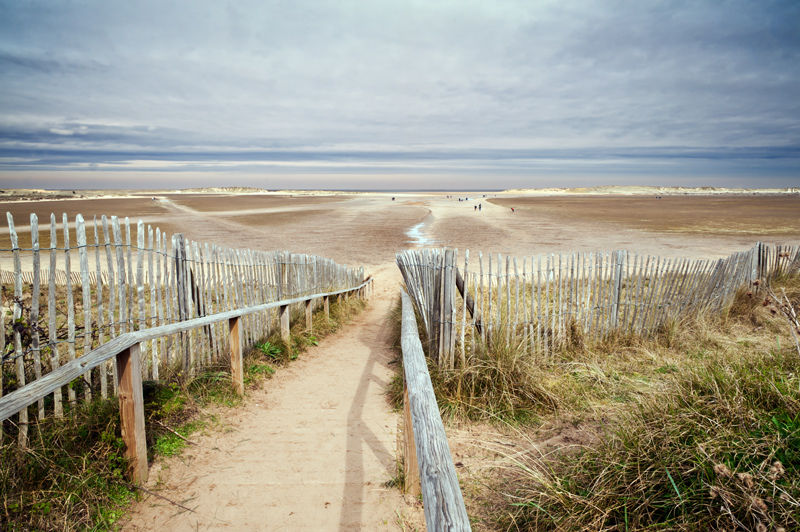
I like the idea for this image, however, I think that if it were mine, i would increase the colour intensity and saturation because if left how it is, it looks slightly bland.

I really like this image due to the composition, the rule of thirds has been used. I think that for this image to be taken, a tripod has been used, and is a good example of how straight an image can be when a tripod is used properly. I think that although simple, the frame was thought out before the shot was taken.
My photographs
Contact sheets
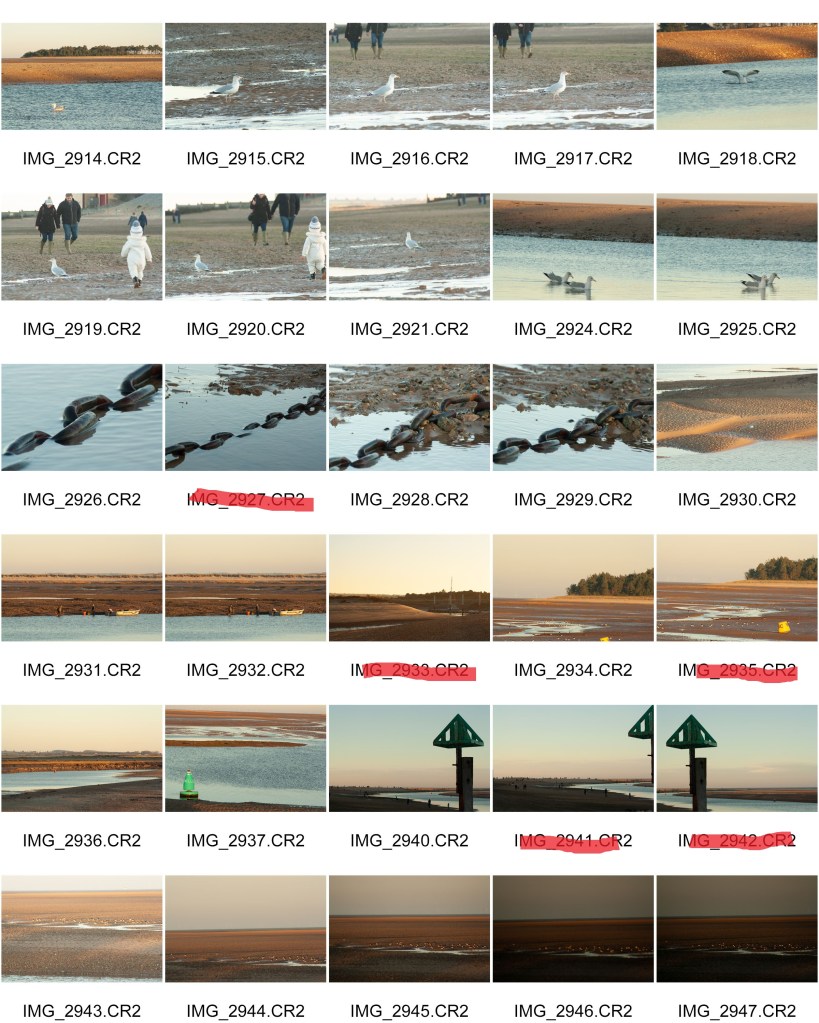
My best images
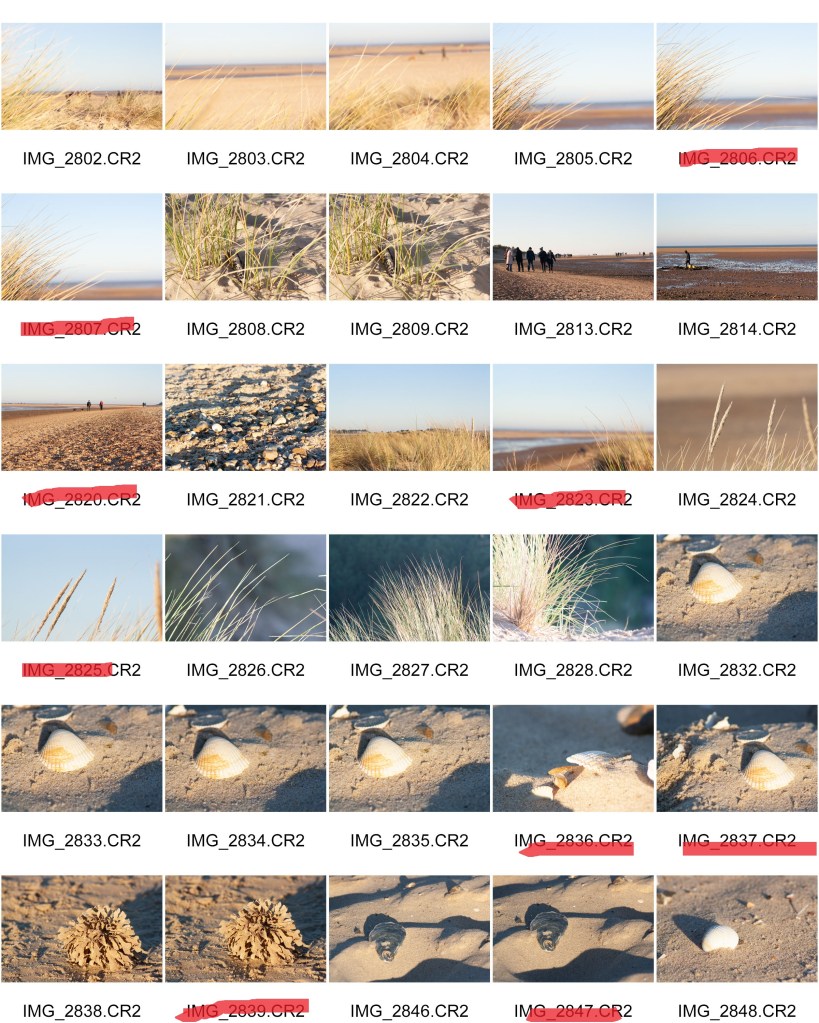
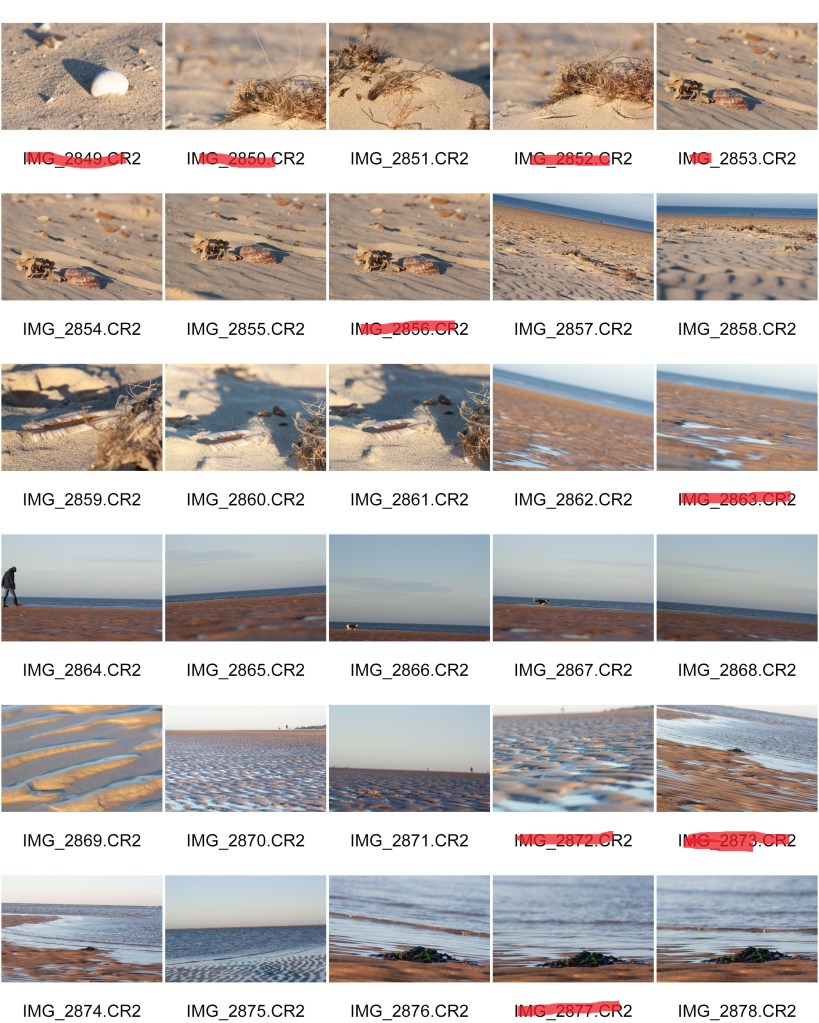
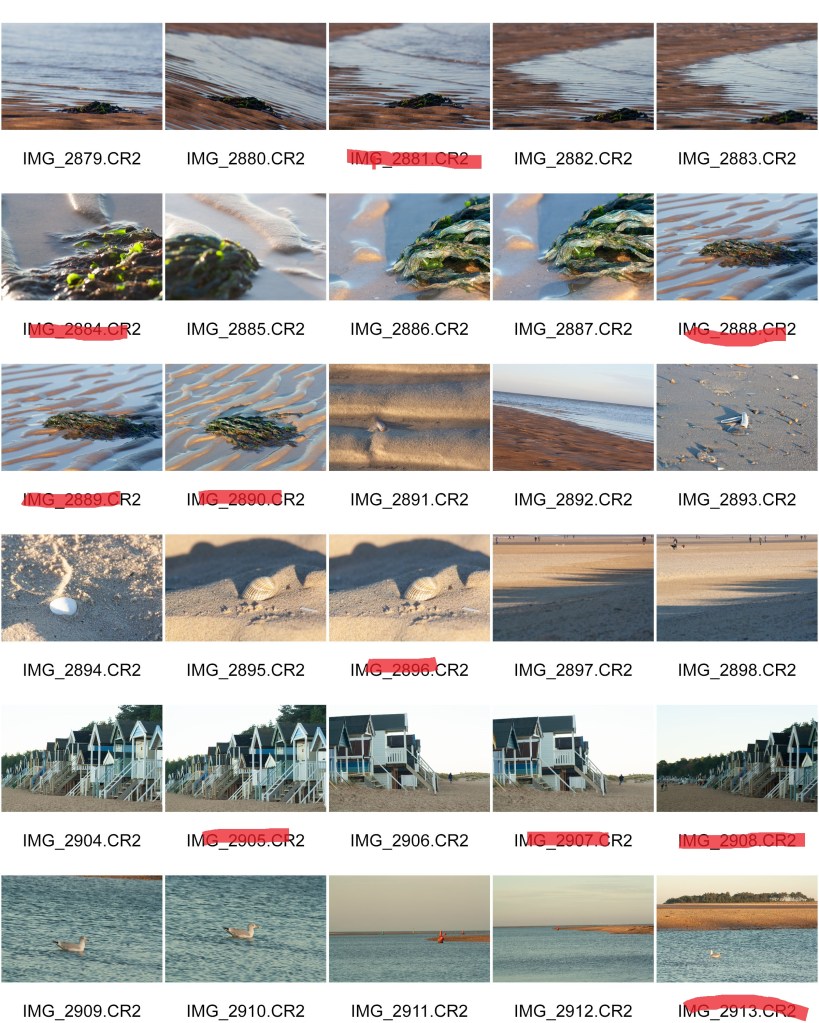
As I am shooting all of my images in RAW format, all of my images needed editing and improvement. However, before the editing stage, the images that I preferred are highlighted within the contact sheet.
Images that require improvement
AO3
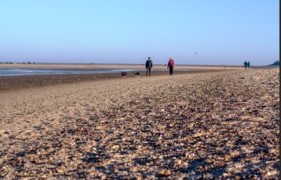
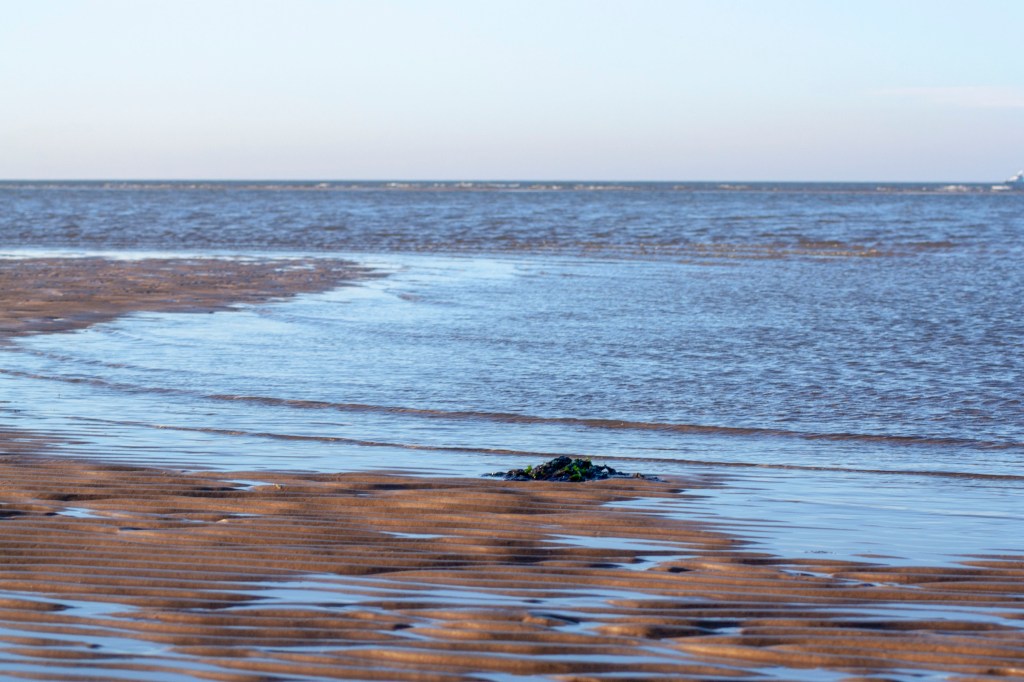
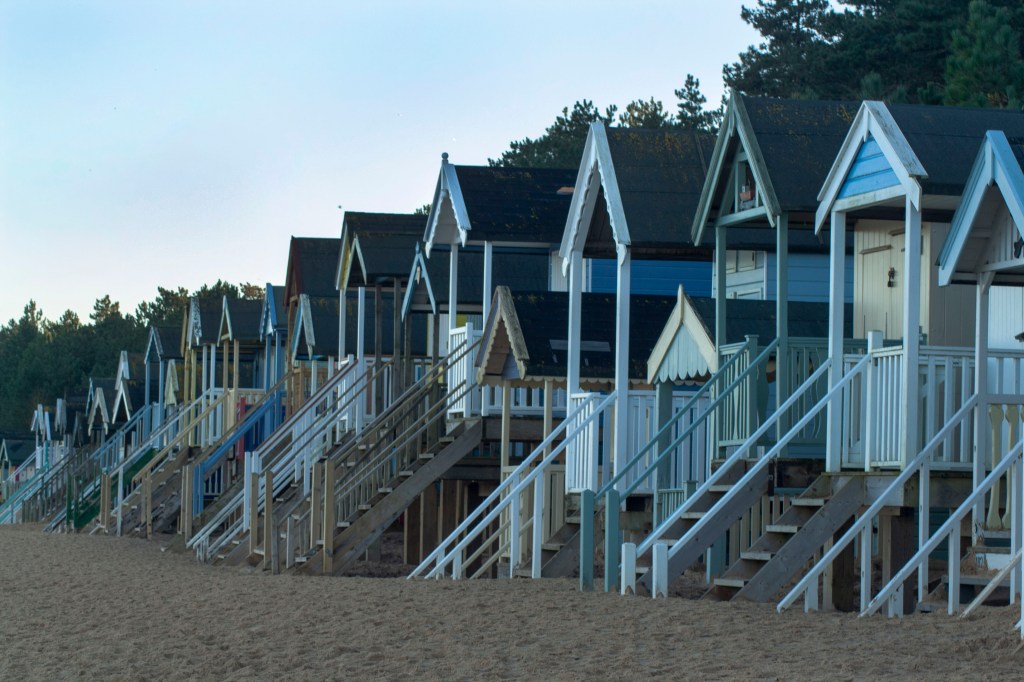
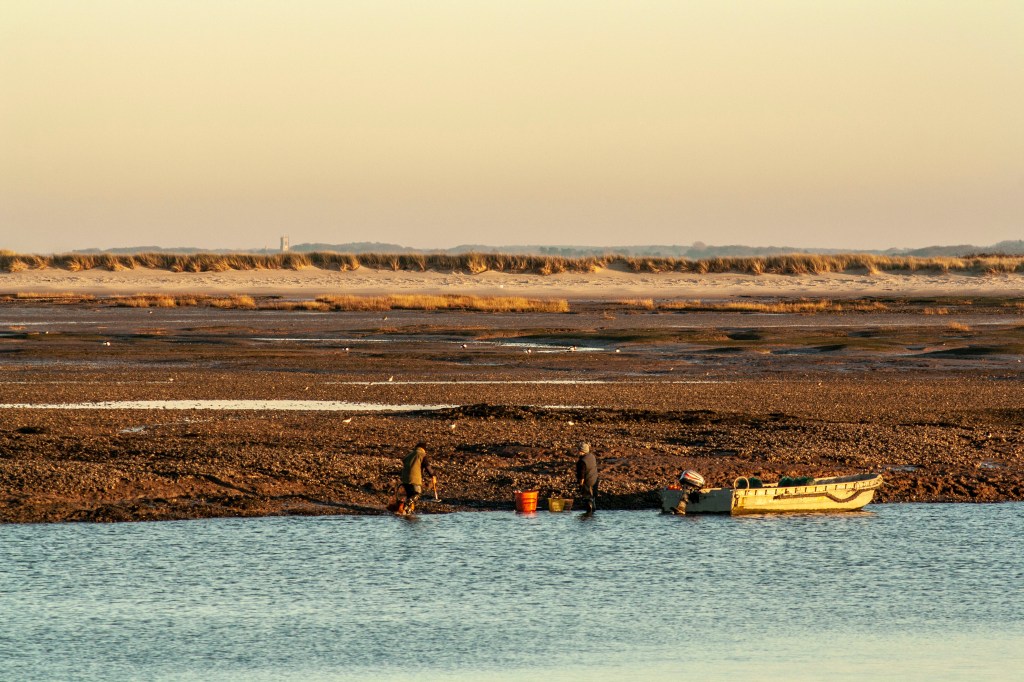
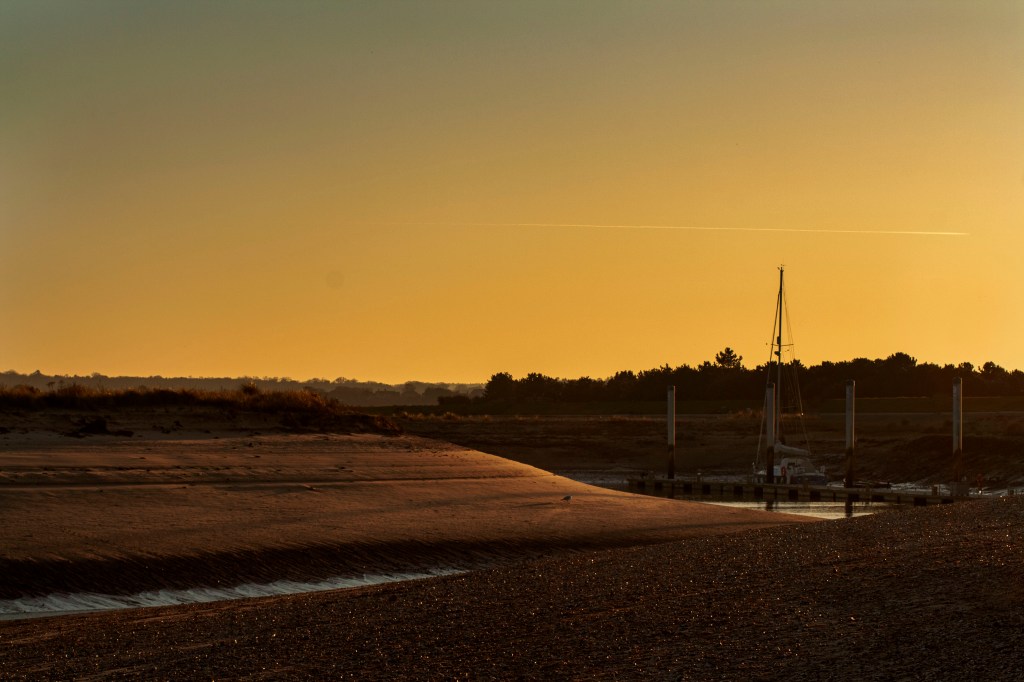
My idea for recording the changing of seasons was to reshoot at a previous location, to grasp that changes that occur during the different seasons, summer to winter. To do so, I returned to the same beach, and tried to recreate some of the images. this was quite difficult to do as their was lots of people present at the beach, and I had decided in the last shoot at Holkham, that I would prefer not to purposely have people present in my images.
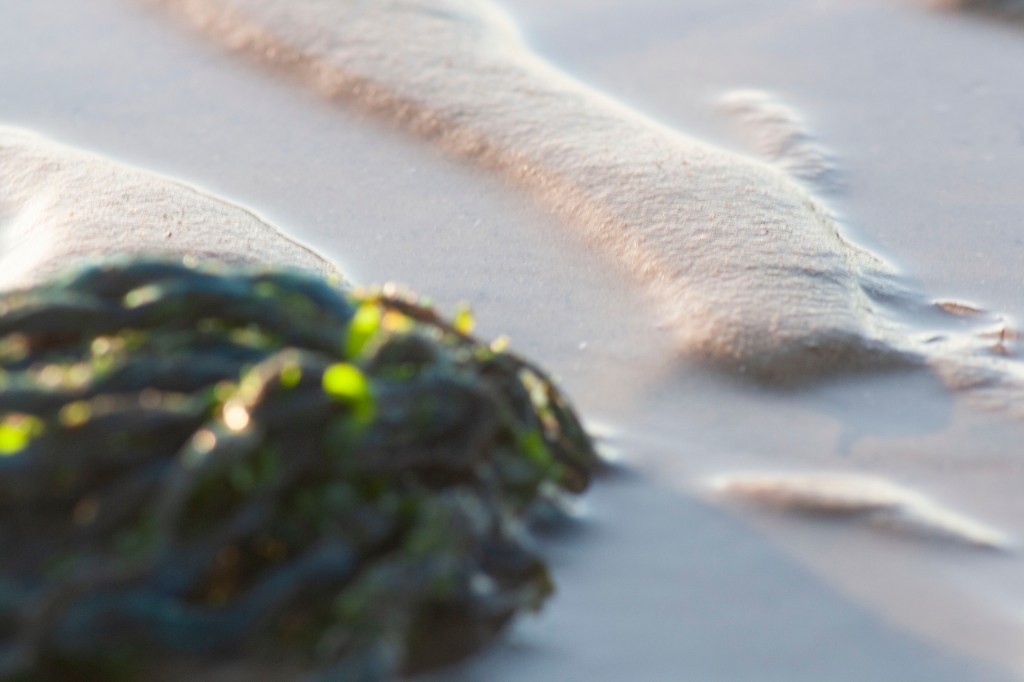
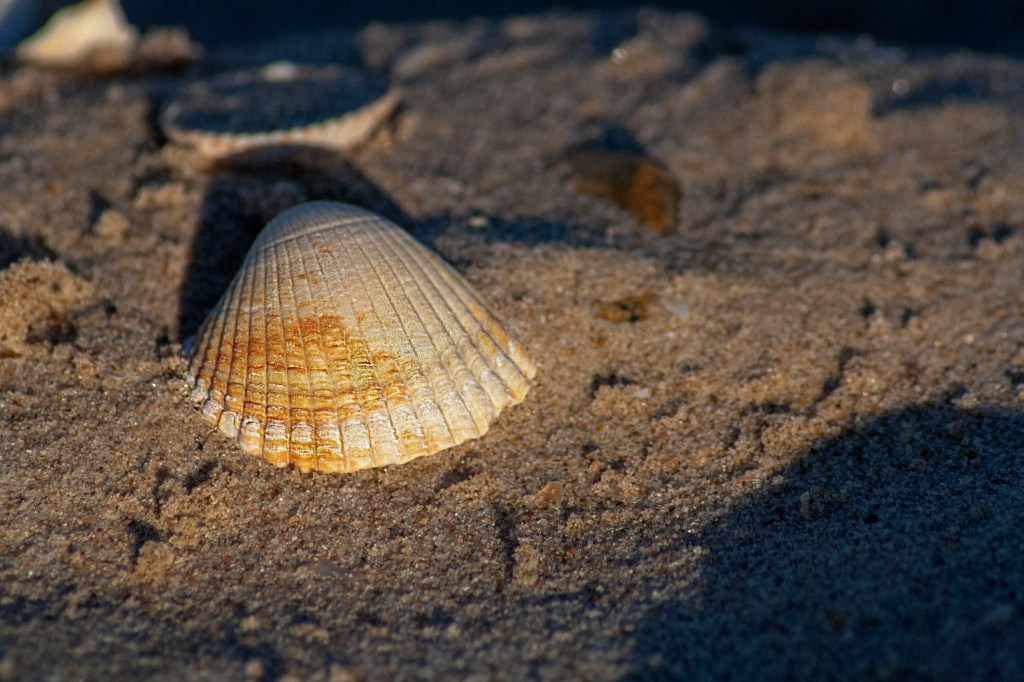
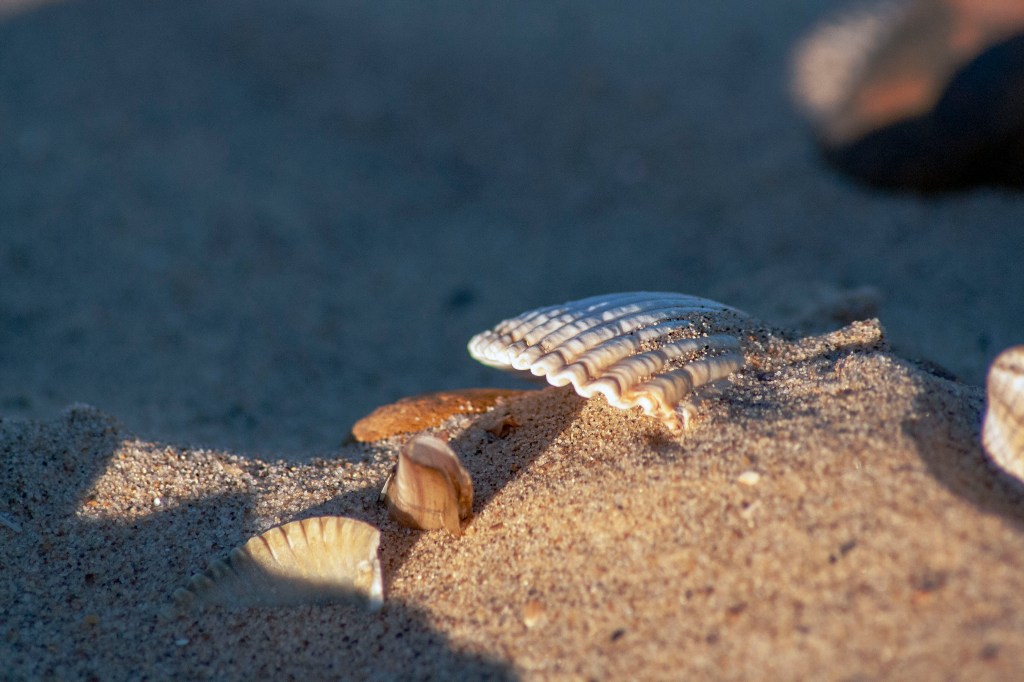
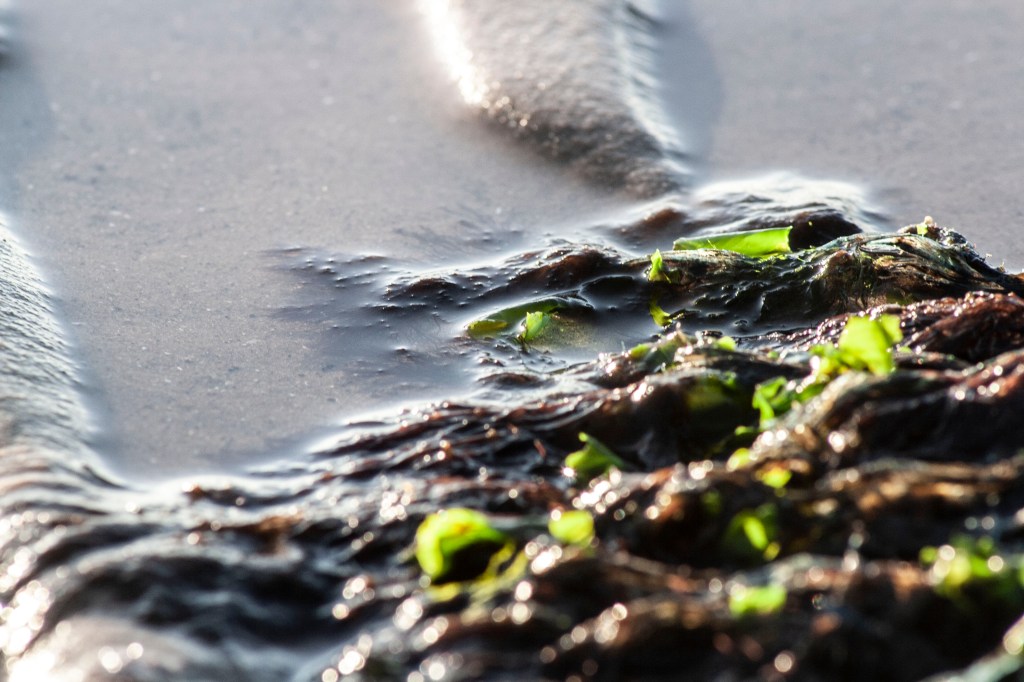
When producing this shoot, I wanted to experiment with distances. Distances from the subject/object to the camera can cause distqances to be made from te subject/object and the viewers. If I wanted an image to connect with the viewers, I found that I needed to connect wiht the subject, and be closer to the object. I also found that when further from my subject, the sharpness, which I wanted to keep and contrast decreases. However, I wasnt worried about the contrast decreasing as I was looking for a low contrast, low saturation look for my final set of images, so to increase this again, I altered it within Adobe photoshop.
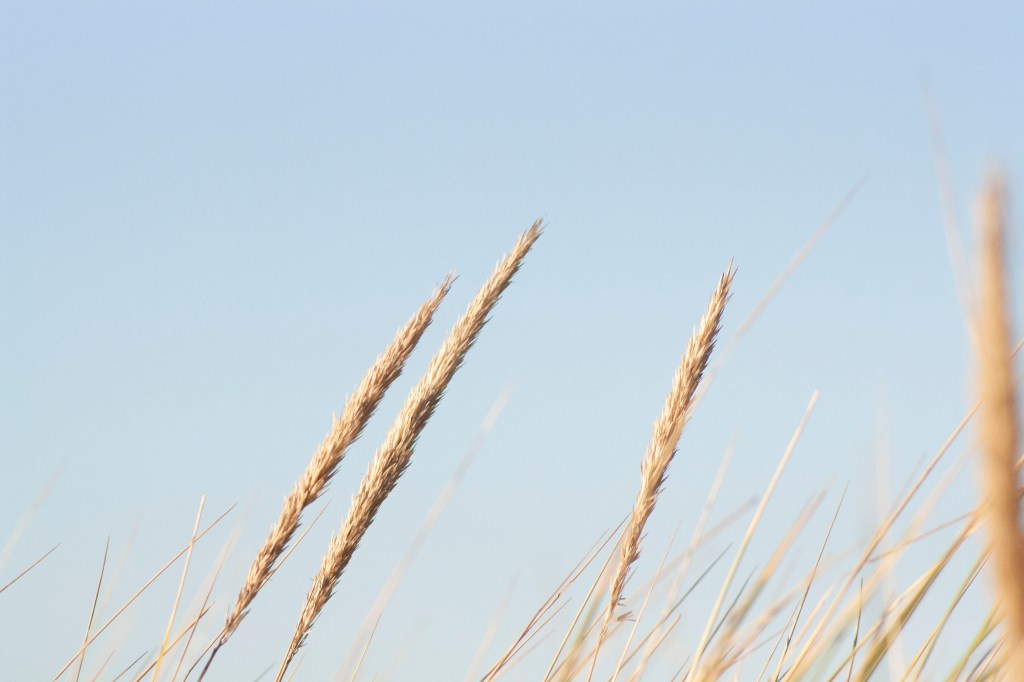
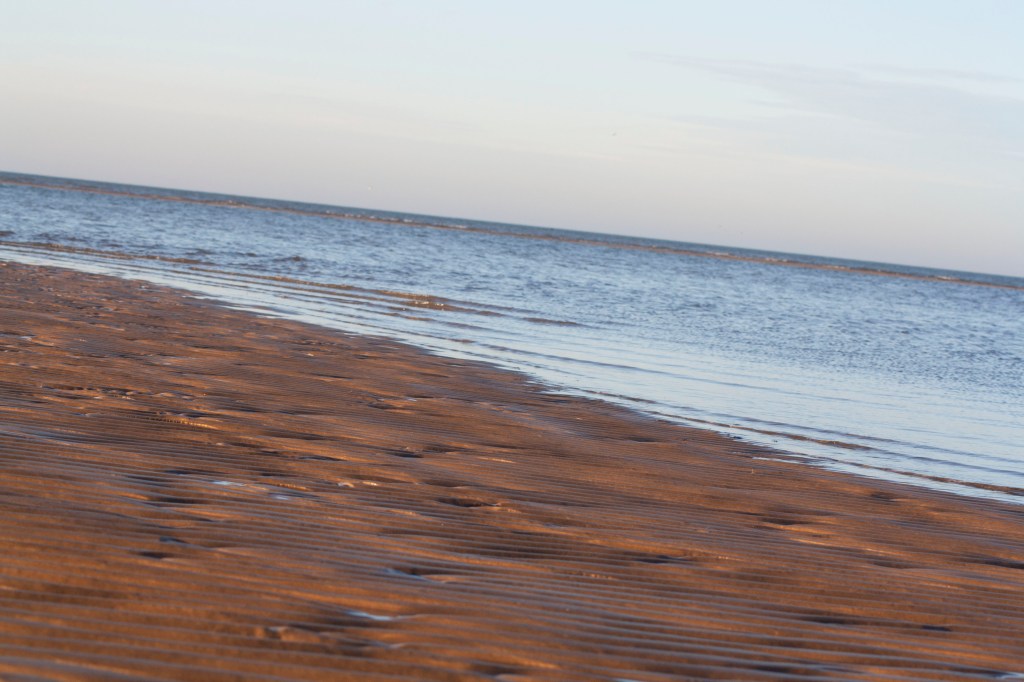
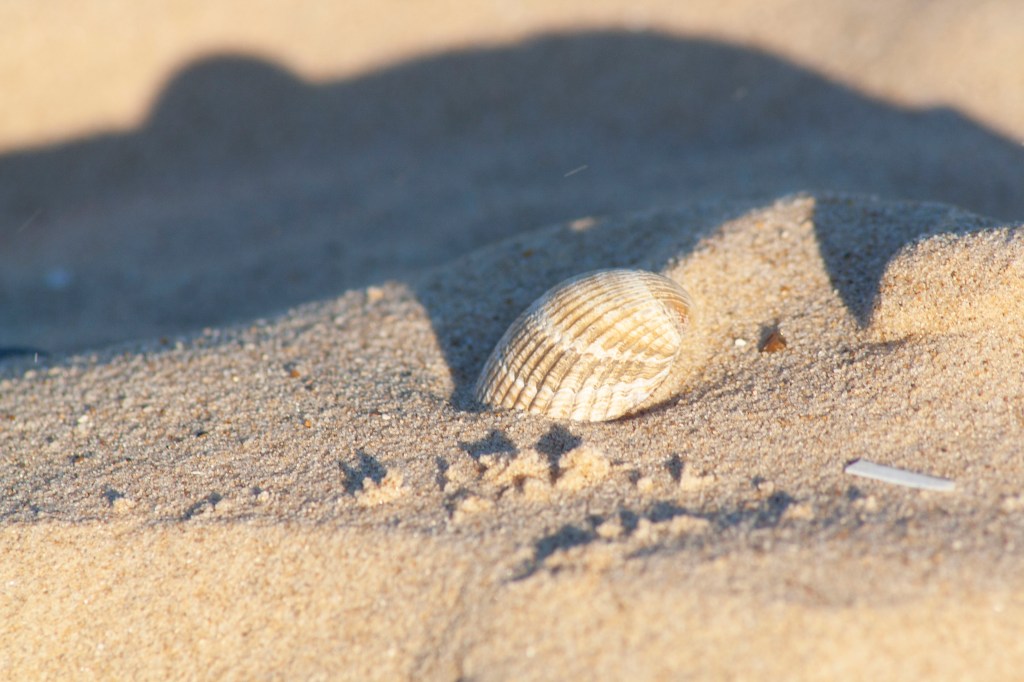
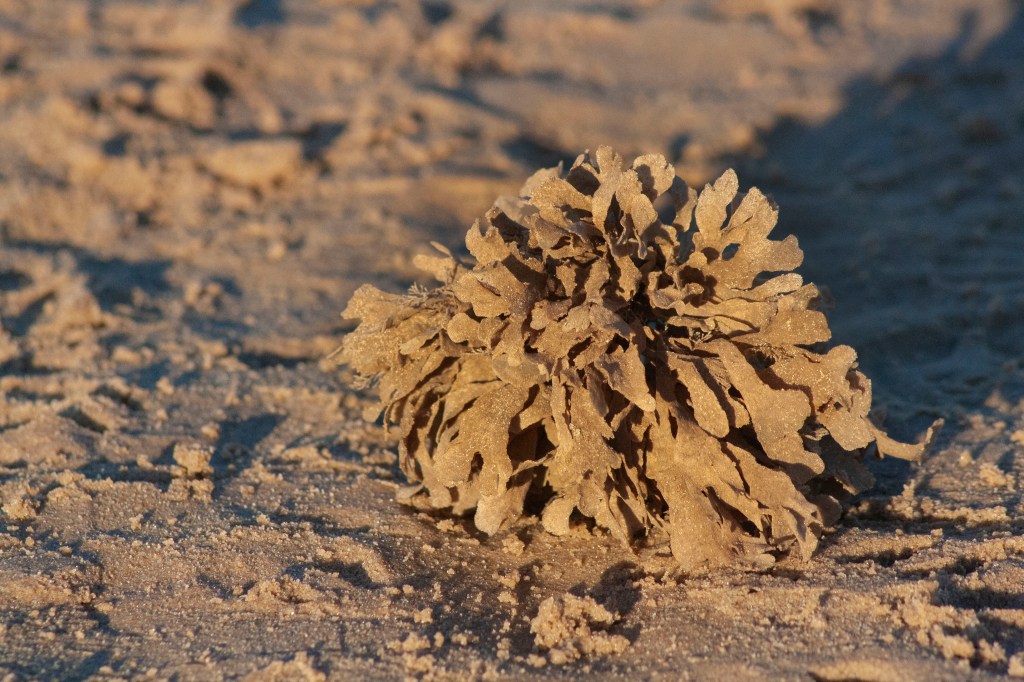
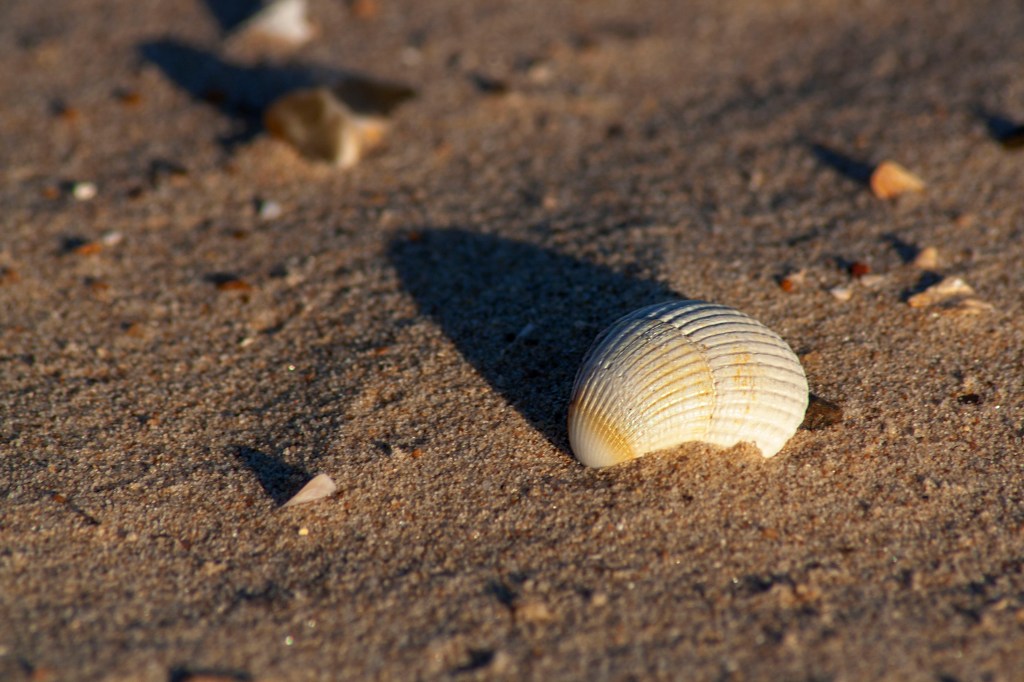
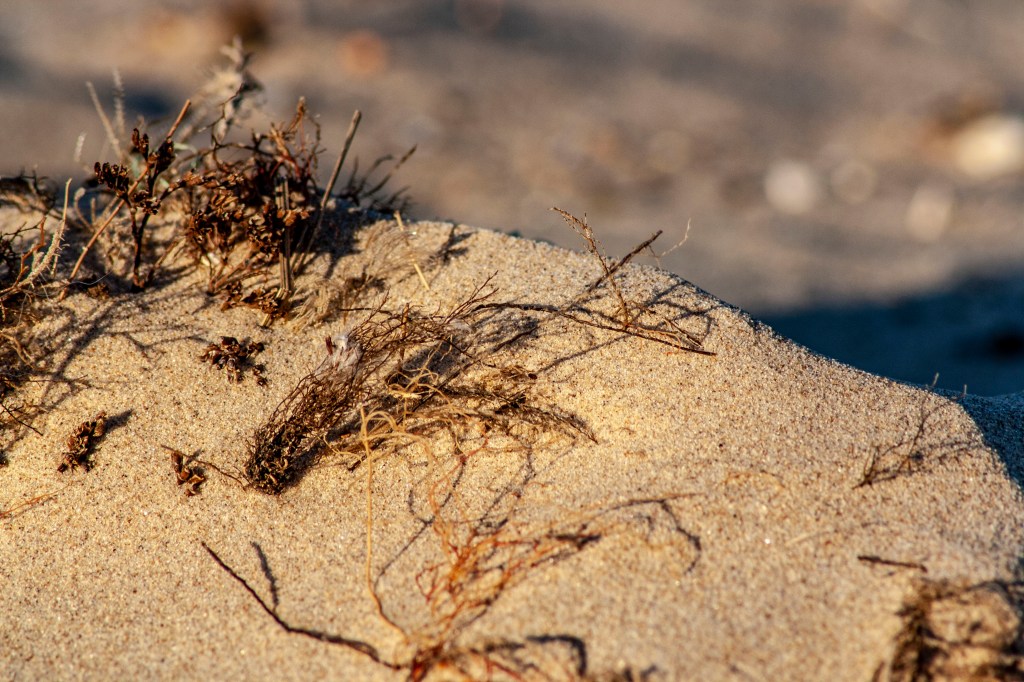
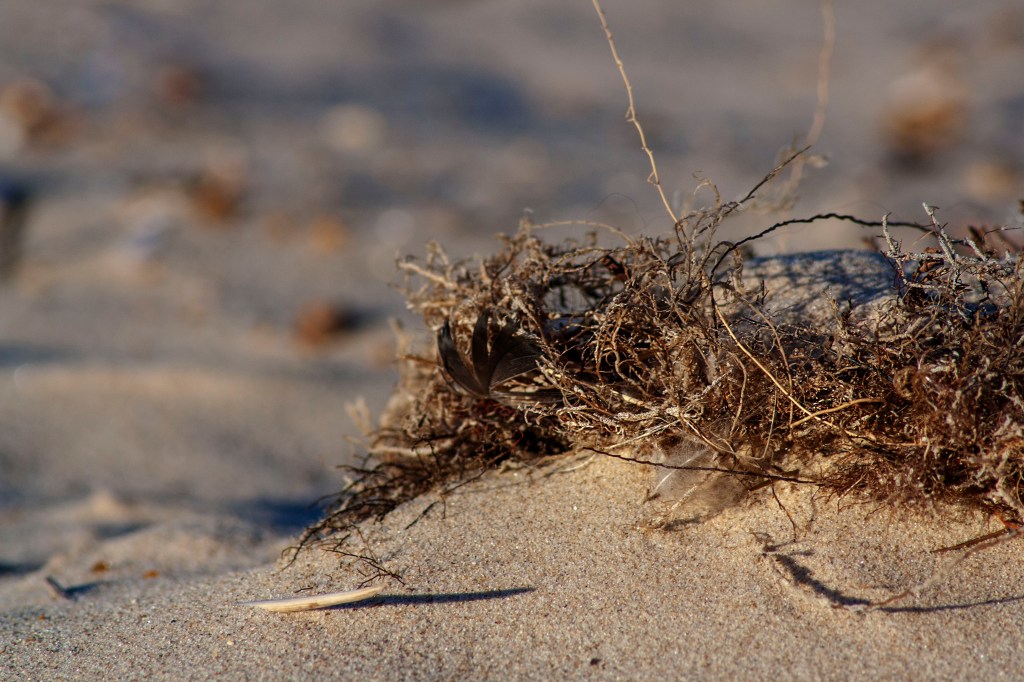
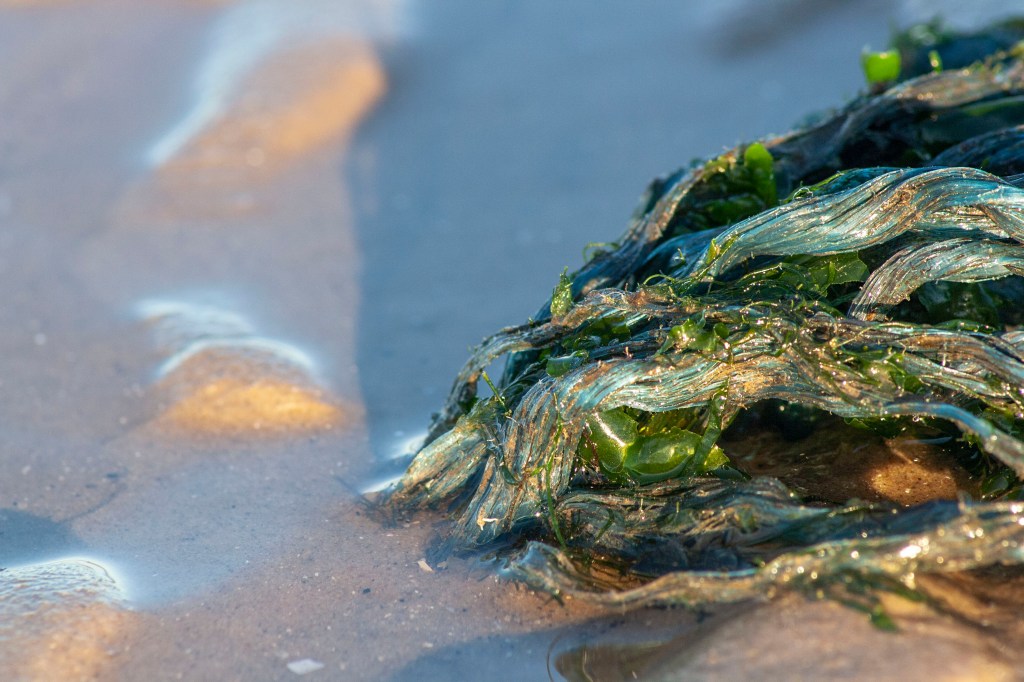
In relation to my best images, I think that I produced a strong set of images that allowed me to show my skills in composition and use of the macro lens.
AO2
In this shoot, I worked with a digital SLR camera (Canon EOS 1000D) and a tripod. This equipment allowed me to work with any settings that were required whilst I was out on the shoot, and meant that I was prepared for any low light situations where a slower shutter speed was required.
All camera settings that I used in order to take the photograph can be found below the best images at the bottom of the posts.
In regards to the general shutter speed used, I tried to create a short exposure in order to create sharp, crisp images, which in turn, required a high ISO setting. This meant that more precise focusing was required, however by using manual focus, I was able to do this. I did find that manual focus was only best used when you have the time to focus carefully, as rushing makes for a blurry and unflatering image.
There was very little noise produced within these images meaning that the detail was alot sharper without distrubances.
AO1
How does the work relate to researched photographers?
In regards to my photographers research I feel that there wasn’t a photographer that particularly influenced me however I feel that some individual images did instead. I think that my images, if I had too choose one, are most influenced by Lee frost as they show the compositional value of photography aswell as showing the landscape in macro form.
Refining my work
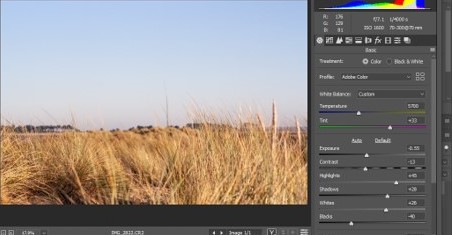
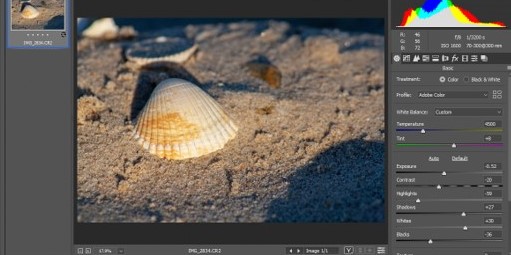
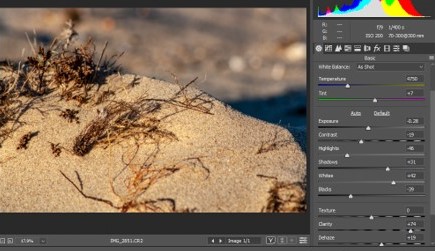
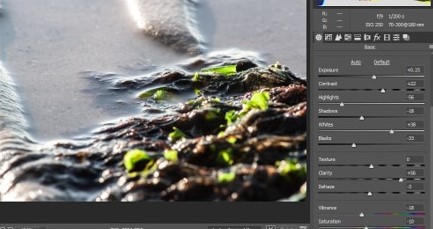
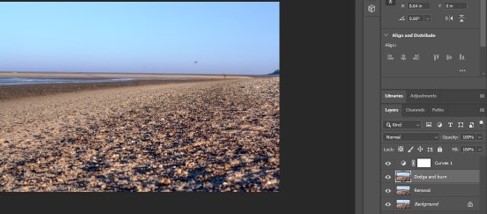
When refining my work, I used both Adobe Lightroom and Adobe Photoshop. both pf these programs allowed me to change details within the image that were really small or larger objects such as people that aren’t wanted within the image.
as a general theme for this shoot, because it was in the winter, I wanted cool tones to show through, so, within photoshop I altered the temperature of the images. I think that this made my mini series for this shoot flow better.
AO4
 Kate Watson - A Level Photography