Wildlife photography

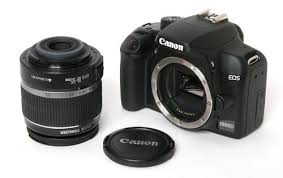
Image result for eos 1000d canon
This is the camera that I have taken all of my photographs on, the Canon EOS 1000D
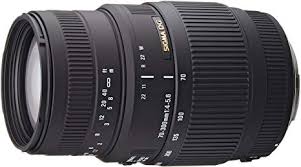
Image result for macro lens canon 70-300mm
this is my Macro lens, a 70-300mm zoom. it has the option of a telephoto or zoom lens as well as the choice of manual or automatic focus. within my photography, I prefer to have control over the focus so I choose to have it is manual permanently. For more information on Macro photography, please see the My Macro Photography post
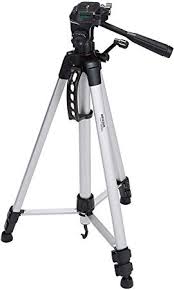
Image result for tripod
This is the tripod that I use in order to stabilise my camera on all shoots. It is foldable making it easy to carry around with me at different locations.

When conducting wildlife photography, it is important that that you know the equipment that you are working with. It is important to know what camera settings are required for the wanted outcomes because you could risk missing the shot or messing up the images you do get. For example, it is vital to know what shutter speeds will allow you to obtain sharp images with the camera/ lens combination that you have. You must be able to move quickly between different focus points or focus modes such as manual or auto focus.

Wildebeest_Dune.jpg

It is also important to know the subject, as it can pay to be able to predict your subject’s behaviour beforehand. Knowing your subject can make the difference between being ready and prepared for capturing that “golden moment” which then leads on to the decisive moment. With wild life photography, it is important to spend time with the subject, not just a fly by visit, but watch and observe them, and only this way, will the most impressive images be produced.

Roller_Lunch.jpg

Proper composition is also vital within Wildlife photography, usually it is the rule of thirds that is used and when incorporated in your technique enable you to instantly capture that fleeting moment properly. However, abstract compositional arrangements can really bring a photo to life.

Buffalo_Abstract.jpg

As well as composition, lighting is also important in any type of photography to produce a good image however, in wildlife photography, often, the light isn’t ideal; the light is good but from the wrong direction and it isn’t always possible to move around to a better spot due to the flight instinct of most animals. However, wildlife photography has taught me especially, that even if the light is not ideal, it can still add a lot of mood to an image.
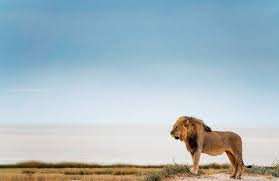
Image result for professional wildlife photography

The level at which the image was taken can also greatly effect the look of the image. if the photograph is taken from a level perspective, it brings the viewers into the scene, bringing them into the subjects world. However, before doing this, you must bear in mind the constraints of the environment and is massively dependant on the subject that is being photographed.
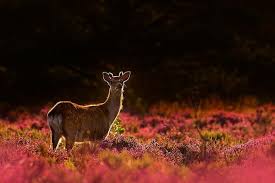
Image result for professional wildlife photography

Depth of field is controlled by multiple things such as aperture, focal length and distance to the subject. Within wildlife photography it is important to ensure that there is enough depth of field that the entire subject is in sharp focus, making the background soft and distraction free to ensure that the focus really is on the subject and that it stands out.

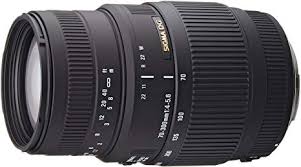
Image result for professional wildlife photography

My macro photography

With this project, my main type of photography has been Macro photography. This has meant that I have used specific equipment that has helped me complete this :

See the source image
This is the camera that I have taken all of my photographs on, the Canon EOS 1000D
Image result for macro lens canon 70-300mm
this is my Macro lens, a 70-300mm zoom. it has the option of a telephoto or zoom lens aswell as the choice of manual or automatic focus. within my photography, I prefer to have control over the focus so I choose to have it is manual permanently.
See the source image
This is the tripod that i use in order to stabilise my camera on all shoots. It is foldable making it easy to carry around with me at different locations.

when shooting, I have recently been discovering my own style of photography, this is usually with a shallow depth of field using low apertures which allows backgrounds to be dropped out of focus and I feel that by doing this it creates sharper images.

I also experiment with the point of focus, this allows the initial appearance to be changed creating a more interesting image.

Within my photography, I prefer to be outdoors to shoot and don’t like being confined into a room. I also prefer the look of natural light on my images rather than artificial light that the studio lights create.

Final project evaluation

During this project, I have conducted multiple shoots, all of which I feel have been completed successfully. I think that the shoot that went particularly well where shoots 1, 6 and 7. These are the shoots that I feel the most happy with due to the final outcomes being the ones that i am most happy with.

To select images for my final portfolio, I first scrutinised the images that I was most impressed with, the ones that had good composition and has sharp focus. I then chose the images that caught my eye the most, whether it was because of the subject that I was focusing on or whether I was the colours within the image itself. Finally, I began to scrutinise each image. I found myself finding imperfections within the work and either removing them completely or altering them slightly using Photoshop. I also took out the images that stopped the flow of the portfolio, the images that were good, but looked out of place, this allowed my portfolio to become stronger.

I do feel that i have produced a cohesive body of work, with some experimentation, such as with the editing processes and with the time lapse video. I think that I definitely have stronger shoots and weaker shoots, however, I feel that the weaker shoots allowed me to find my own style and preferences within the world of photography and I think that my style of photography has been shown the be growing and becoming more evident as the project has built up. I think that the changing of seasons has definitely been shown through each shoot however, if I were to have more time to continue with this project, I think that I would choose to continue to explore my own personal style of wildlife photography. I would also like to spend more time in the studio to capture some better quality work influenced by Edward Weston.

I have been influenced by my research in many different ways. Some photographers, have shown me different styles of photography, different angles that add different dimensions to the images. Whilst others, they have given me ideas on what to try and capture within my images, such as Neil McIntyre, who influenced me to find the deer and photograph them. Within my work, I have been working on the decided

As part of this personal investigation, I have learnt that studio work is definitely one of my weaker areas, and something that i hope to improve upon in the future. I think that I need to be a little more careful when it comes to editing as I have sometimes reviewed some pieces of work and have majorly disliked the work that I had produced. I also feel that I need to be less critical of my own images. I sometimes get caught up in what the research influences are doing instead of looking and appreciating my own style and embracing it.

Design a site like this with WordPress.com
Get started