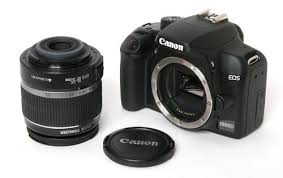
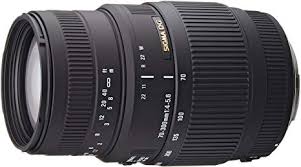
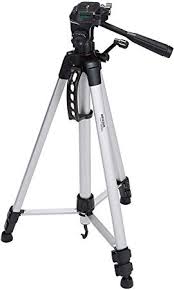
When conducting wildlife photography, it is important that that you know the equipment that you are working with. It is important to know what camera settings are required for the wanted outcomes because you could risk missing the shot or messing up the images you do get. For example, it is vital to know what shutter speeds will allow you to obtain sharp images with the camera/ lens combination that you have. You must be able to move quickly between different focus points or focus modes such as manual or auto focus.

It is also important to know the subject, as it can pay to be able to predict your subject’s behaviour beforehand. Knowing your subject can make the difference between being ready and prepared for capturing that “golden moment” which then leads on to the decisive moment. With wild life photography, it is important to spend time with the subject, not just a fly by visit, but watch and observe them, and only this way, will the most impressive images be produced.

Proper composition is also vital within Wildlife photography, usually it is the rule of thirds that is used and when incorporated in your technique enable you to instantly capture that fleeting moment properly. However, abstract compositional arrangements can really bring a photo to life.

As well as composition, lighting is also important in any type of photography to produce a good image however, in wildlife photography, often, the light isn’t ideal; the light is good but from the wrong direction and it isn’t always possible to move around to a better spot due to the flight instinct of most animals. However, wildlife photography has taught me especially, that even if the light is not ideal, it can still add a lot of mood to an image.
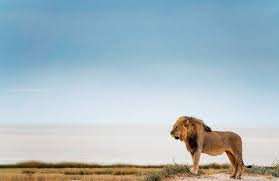
The level at which the image was taken can also greatly effect the look of the image. if the photograph is taken from a level perspective, it brings the viewers into the scene, bringing them into the subjects world. However, before doing this, you must bear in mind the constraints of the environment and is massively dependant on the subject that is being photographed.
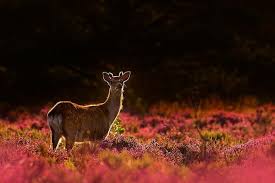
Depth of field is controlled by multiple things such as aperture, focal length and distance to the subject. Within wildlife photography it is important to ensure that there is enough depth of field that the entire subject is in sharp focus, making the background soft and distraction free to ensure that the focus really is on the subject and that it stands out.
 Kate Watson - A Level Photography