RECORD THE TELEPHOTO SETTINGS
Make a note as to whether you have observed distortion effects at small focal lengths (wide angle) compared to long focal lengths (telephoto)
Whilst the wide angle lens should generally be avoided for portraiture because of the distortion effects, it can be used in certain instances in a creative way.
The higher the telephoto setting the shallower the depth of field… you may notice this when photographing close up using a telephoto setting of e.g. 100 mm
| Focal Length | Lens Type | Common Subjects |
| 8mm – 24mm | Ultra wide angle (fisheye) | Wide panoramas and skyscapes, artistic |
| 24mm – 35mm | Wide angle | Interiors, architecture, landscapes |
| 35mm – 85mm (50mm common) | Standard | General purpose |
| 85mm – 135mm | Short telephoto | Portraits, candid |
| 135mm – 300mm | Medium telephoto | Close sports, action |
| 300mm+ | Super telephoto | Far sports, wildlife, nature, astronomy |
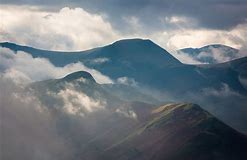
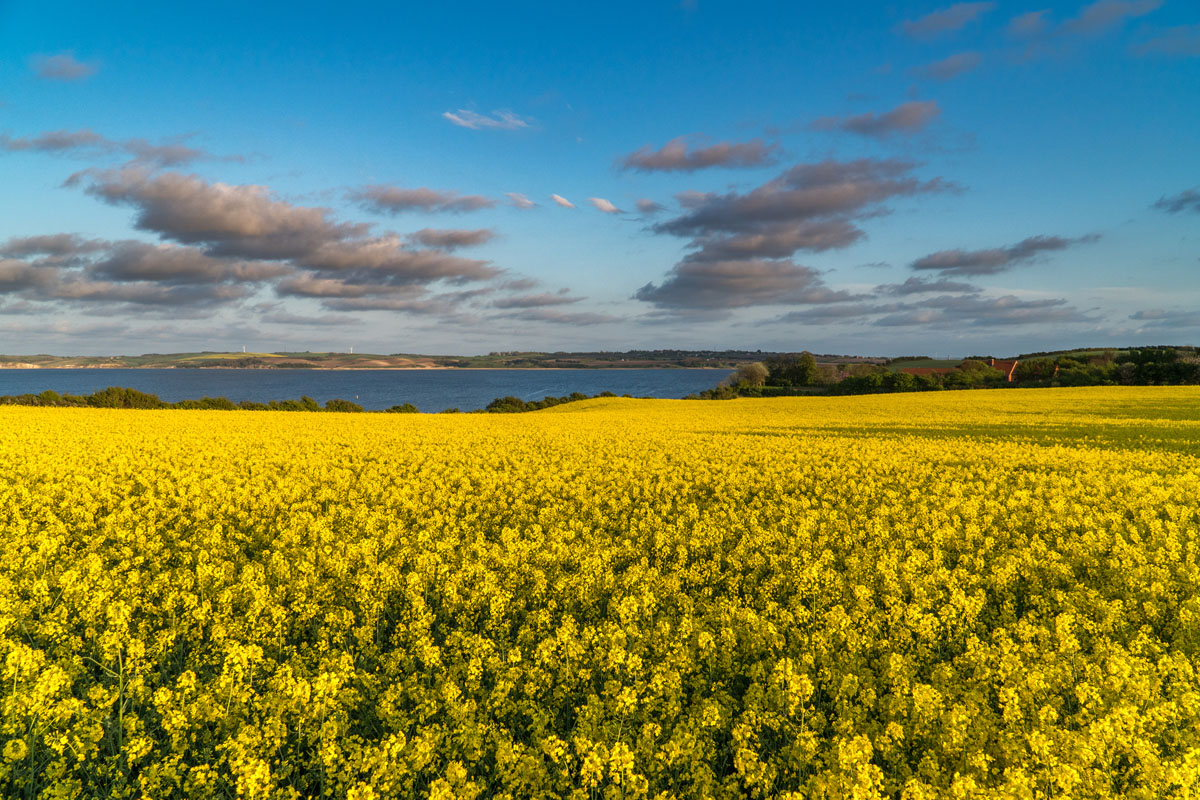
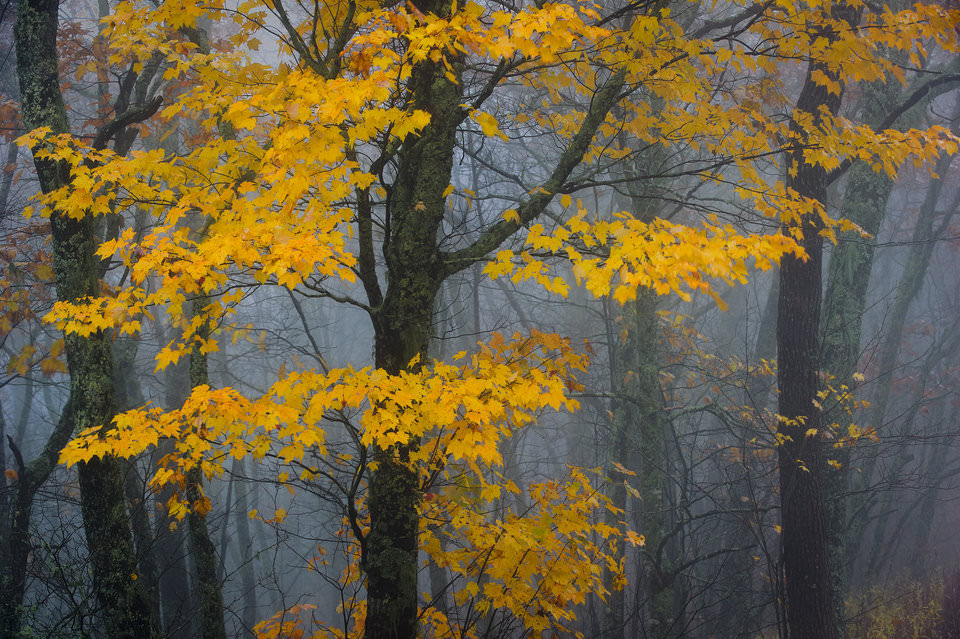
All of these images are taken using a wide lens. I will be experiementing with this over a couple of shoots to see whether i would like to continue to use this in my own work.
My images
The following images were taken with a zoom lens, 70-300mm white a field of silage was being harvested.
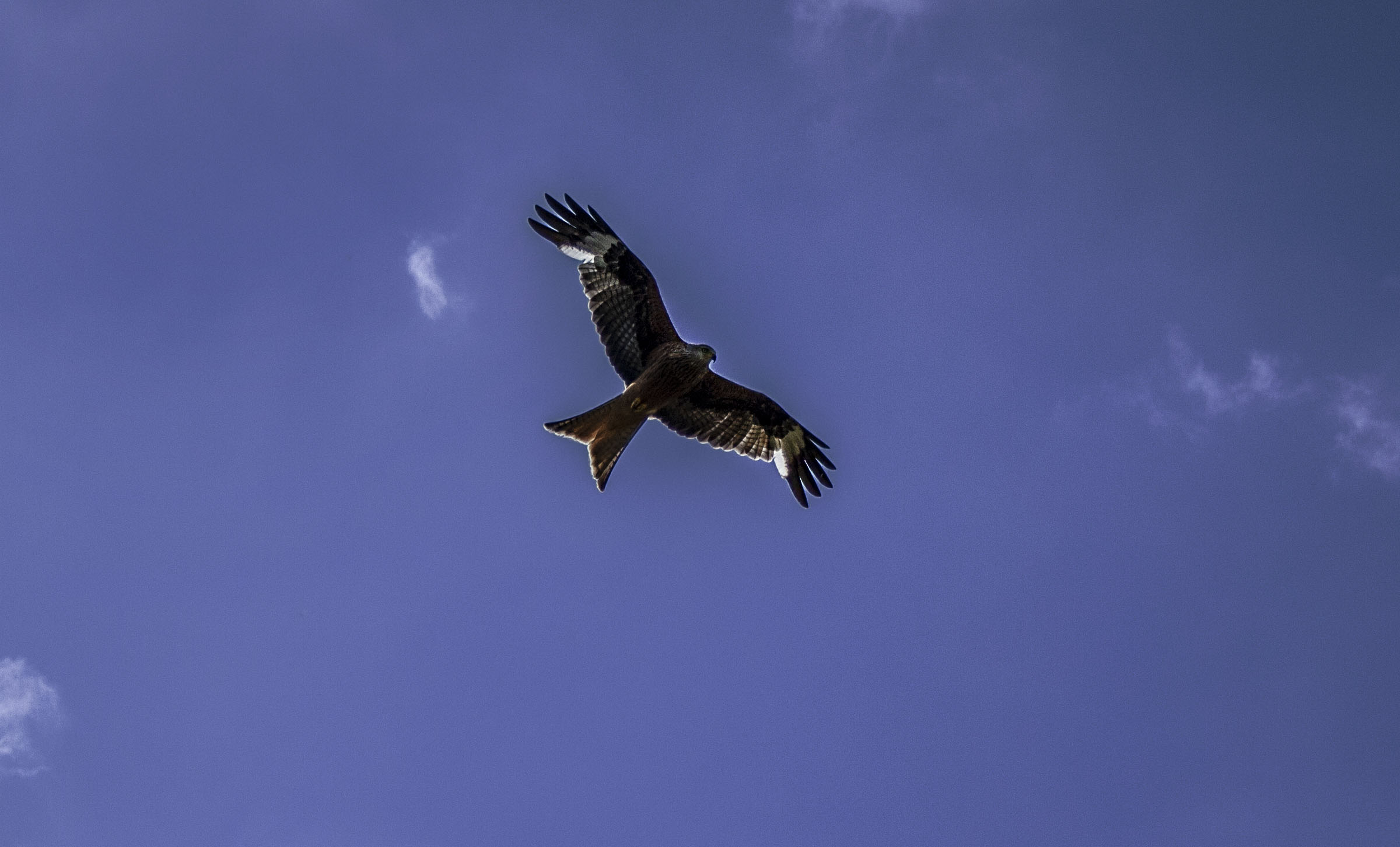
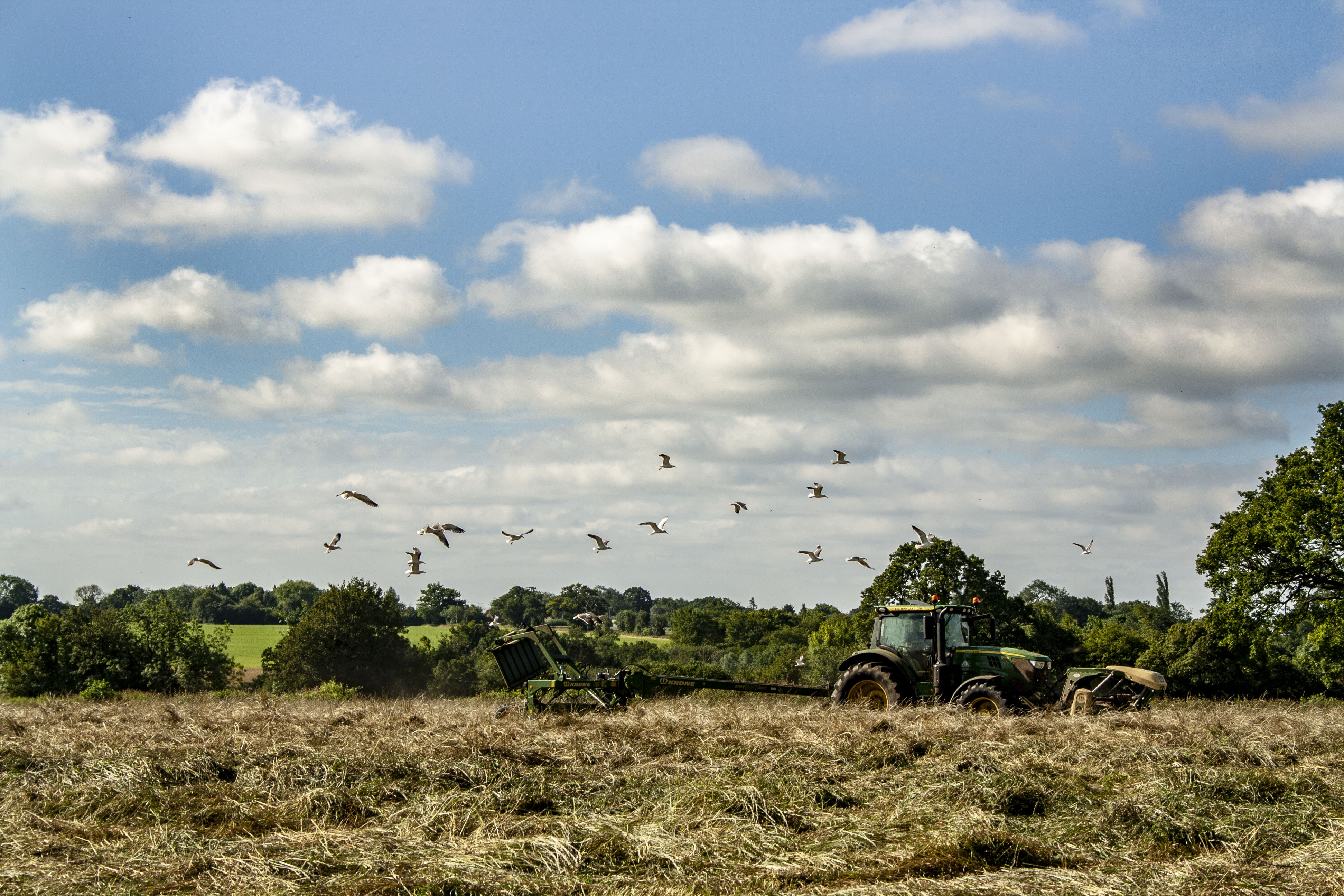
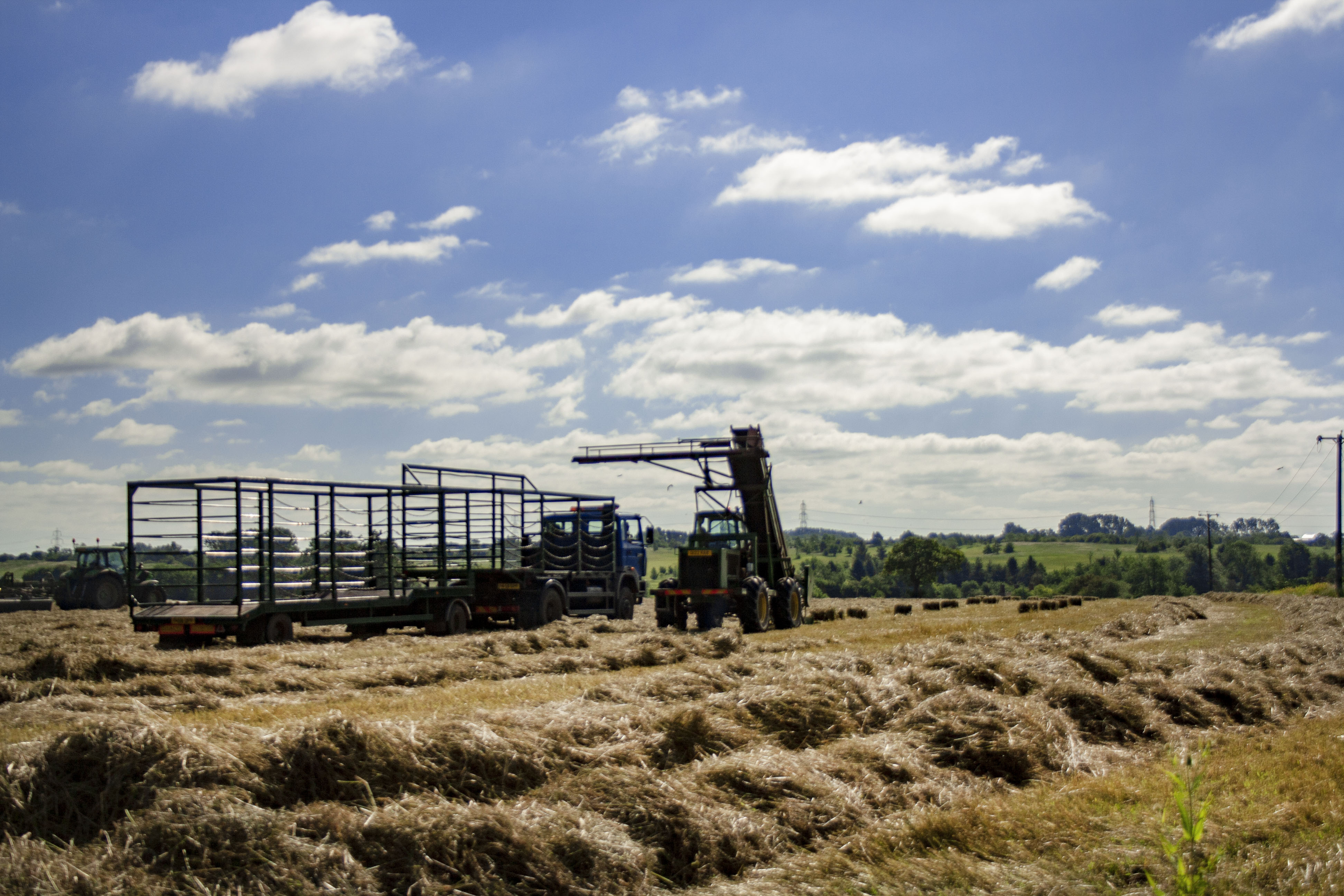
The above images were all shot in raw format. this means that in Photoshop I can control more adjustments made to the final image. in the above images, I adjusted the Contrast, Highlights and Darkening settings, then used tools such as curves and dodging and burning to help create the final images. However, with photographs like the bird, this required me to adapt my settings at the time of the shoot (on my camera) in order for the bird to be seen against the bright blue sky.
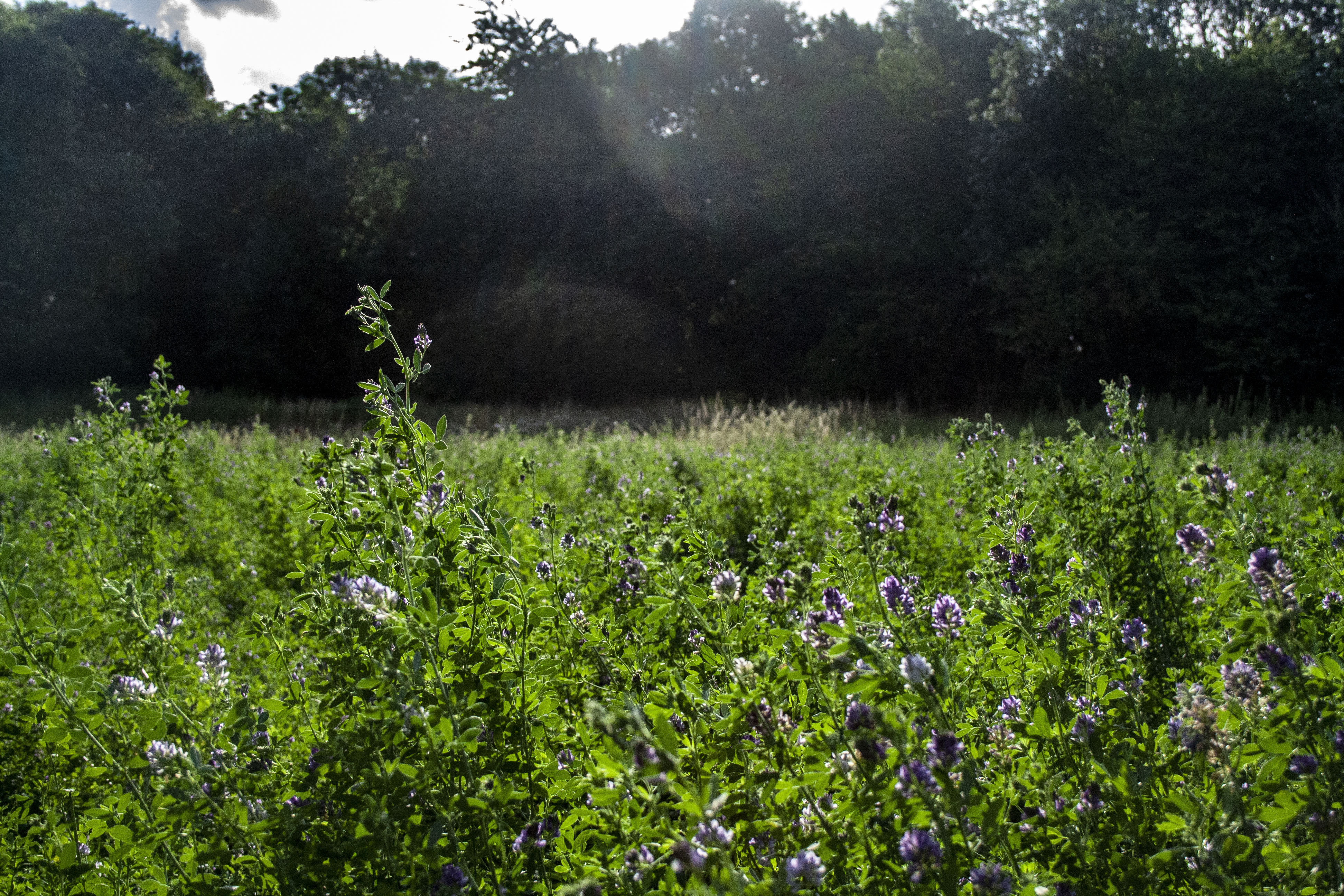
This image was also taken with the lens that I used in the first images, however, the light at the time of the shoot was not in my favour, so the images have not come out how I would have ideally liked, However, I still decided to edit the images in photoshop to see if there was anyway that I could adjust them in order to create a better image, and these are the results
Personally, I think that my final images are good, and they have come out as I had expected them to.
Progression – I would like to continue studying this method of photography as I feel like I could easily improve on my images with some practise.
 Kate Watson - A Level Photography